

What is occupational therapy?
Occupational therapists are independently licensed healthcare professionals who help improve function in daily activities ("occupations") at home, work, school, and in the community.
They want to support you in your goals for health, well-being and participation.
Below is more information about the different areas that OT can support your overall well-being.
Perinatal Health & Wellness
Support during and after pregnancy to help you feel more prepared, confident, and more like yourself!
Occupational Therapists use several different approaches (see more at the bottom of the page) to create a customized plan to increase self-efficacy, and improved quality of life.
Click on each item below for more information about some of the ways OT can be helpful during this time!
-
Ergonomic & environmental changes for coping with pain, physical challenges or hypermobility
Preparing for childbirth and the postpartum period
The intersection of mental health & pregnancy (anxiety, depression, trauma, and impact on self-care, organization, caring for other children, etc.)
Sensory processing difficulties (handling stronger smells, nausea/vomiting, food aversions, temperature, etc.)
-
Recovery from childbirth, physically and emotionally!
The intersection of mental health & pregnancy (anxiety, depression, trauma, and impact on self-care, organization, caring for other children, etc.)
Ways to promote healthy attachment & parent-baby bonding
Addressing barriers or making adjustments to breast/bottle feeding or pumping issues, or ways to manage colic/fussiness
Adjustment to the transition of adopting a baby
Sensory processing difficulties (lots of loud noises, strong smells, lack of a routine/schedule, being “touched out”, having a baby in the NICU, etc.)
Infant development- what’s “normal”? Are there special needs to be considered? How can all caregivers be supported and involved?
-
Pelvic floor muscles support the uterus, bladder, large intestine and rectum. And most women believe that the problems that can occur are just something that is “normal” and that you have to live with. Just because pelvic floor dysfunction (PFD) is common does NOT mean it is “normal”, or that there is nothing you can do about it.
Your risk of PFD can increase due to:
The weight gained during pregnancy that puts pressure on the pelvic floor
Straining from constipation or pushing during a vaginal delivery (or an attempt at a vaginal delivery)
Interventions used during birth (vacuum extraction, forceps) or surgical births.
Diastasis recti (separated abs)
When there is dysfunction in the muscles of the pelvic floor, it can lead to issues such as urinary incontinence & leakage, fecal incontinence, constipation, challenges with sexuality, and pain. All of these can impact your physical, social, and psychological well-being. There is evidence that living with PFD is a risk factor for postpartum depression or anxiety, so it’s important to address the WHOLE you.
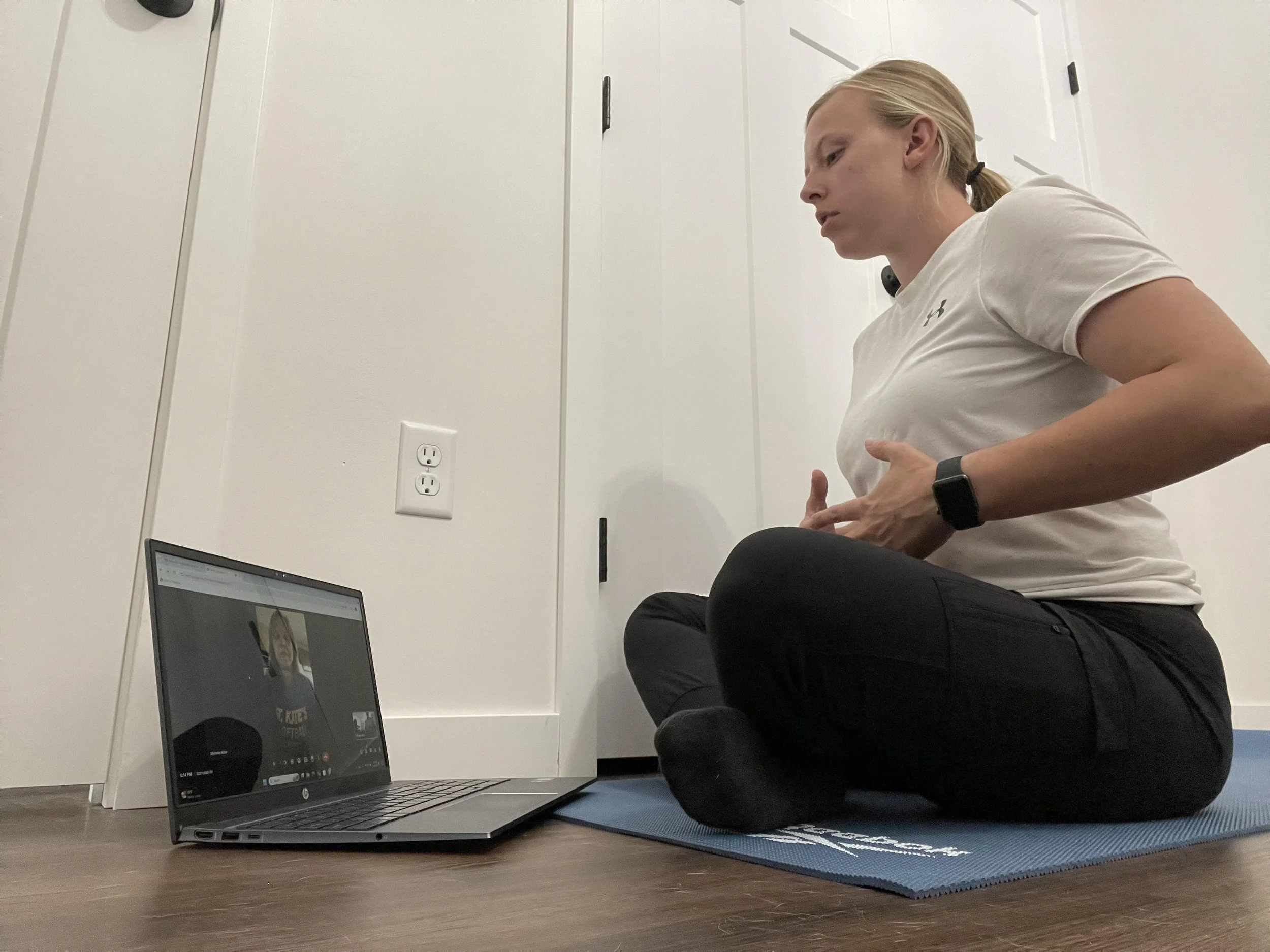
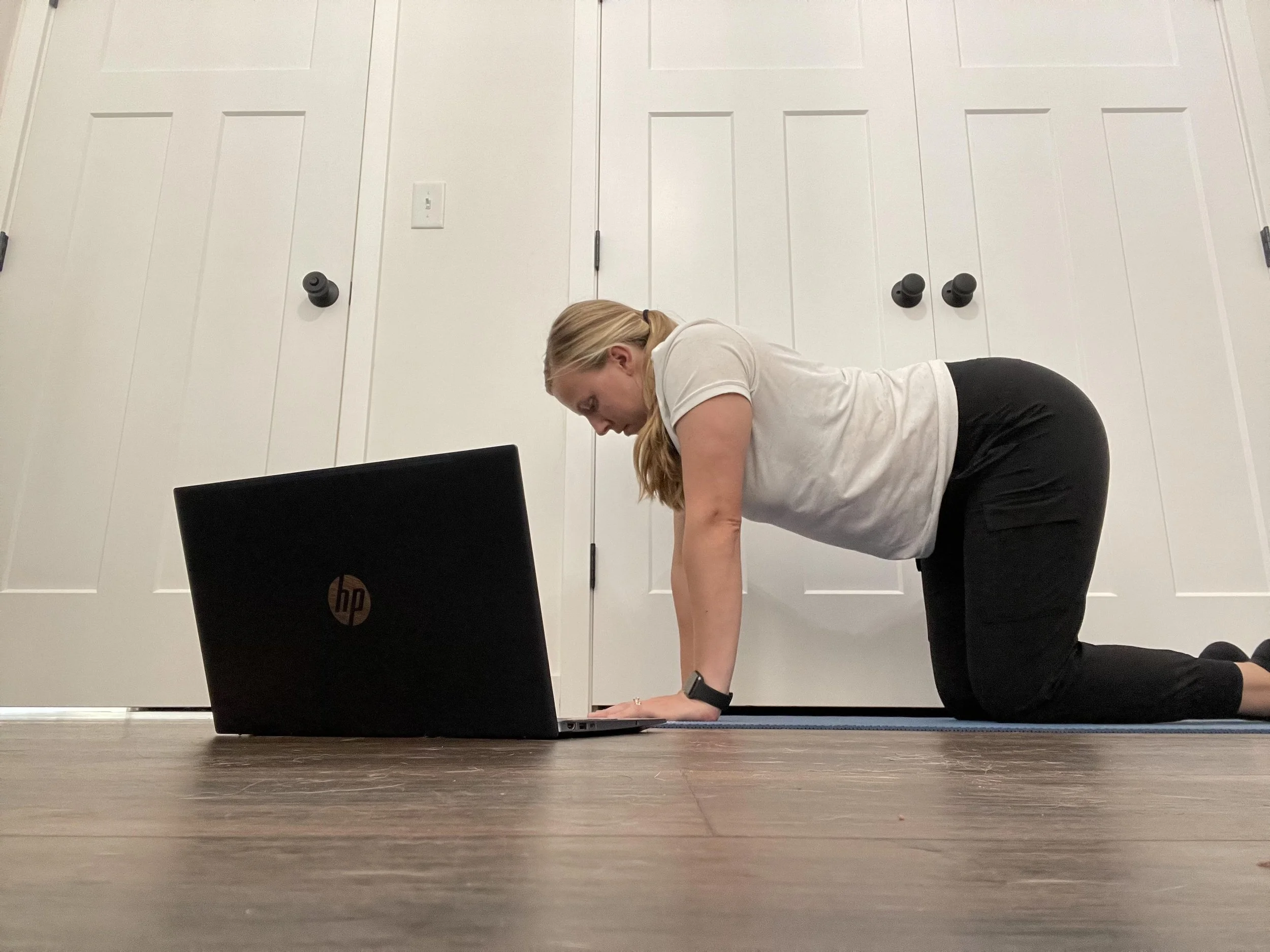
Some people may think it’s a little unusual to meet with someone virtually for OT, but we think it’s a great fit for those who:
lack access to childcare or transportation
have had traumatic experiences with healthcare workers or struggle with being touched
have a hard time finding extra time for another health appointment
have anxiety about leaving home
have difficulty getting extra time off work (Have a conference room or a larger office? That’s all you need!)
Meeting virtually saves you time, and is just as effective as meeting in person!
Parenting
Parenting is hard work at every stage! Whether you have a newborn, toddler, or teenager, OT can help create a customized plan tailored to the developmental needs of your child, and help you feel more confident in your parenting relationship.
-
Household organization and improvement of functioning in your home or work life - meal planning, creating routines, getting family members involved.
Changes that can be made if you are parenting with physical or emotional stressors, pain or illness.
Learn techniques to aid memory, concentration and executive functioning
Time management techniques, improve executive functions and support impulse control to improve confidence and follow-through with goals.
-
Is this normal? Am I doing this ‘right’? OT can provide education and help build skills for your child’s particular needs.
Developing the skills needed to help reach milestones
Create and adapt developmentally appropriate daily routines, and balance the needs of the family.
Building emotion regulation skills & understanding cognitive developmental needs
Managing transitions and change - returning to work, starting school, going from middle school to high school, becoming a stay-at-home parent…
-
Improving emotional regulation skills to reduce tantrums (in younger children) and conflict resolution skills (with older children).
Developmentally appropriate sleep hygiene - what are the sleep needs, improving sleep quality, improving sleep habits, and identifying underlying factors that contribute to poor sleep.
Self-care & hygiene difficulties- from potty-training to getting your teen to take a shower!
-
Promoting secure attachment despite sensory challenges
Addressing feeding or sleep challenges related to sensory processing.
Addressing the sensory aspects of parenting, especially for those with sensory-sensitive children
Creating sensory-friendly living environments & routines
Developing self-regulation skills & reducing sensory barriers for work or classroom success


Life transitions
Change is hard!
-
Changes to family structure (adding another child, losing a child, losing a parent or family member, blending families, separation/divorce)
Shifts in developmental stages (moving into school age, adolescence, preparing to launch)
Coping with stressors of supporting aging parents or family members while raising kids (AKA “the sandwich generation”)
-
Assessment and management of appropriate lifestyle interventions for emotional, cognitive or physical changes that occur at this stage of life.
Pelvic floor therapy to improve symptoms related to the changes of perimenopause/menopause, incontinence & genitourinary syndrome.
Strengthening, conditioning, and postural retraining to facilitate optimal musculoskeletal alignment and function specific to the peri- and post menopausal woman
-
The transition to retirement should be a happy time! But the research shows that the transition to this period of life can severely impact our mental health!
Building a social support network & staying connected to people
Adjustment to what life looks like now, creating new routines, identity, relationships
Creating new daily routines that are not centered around a career- how to manage time, care for yourself, and stay active!
Finding ways to reduce the stress of staying connected via technology to the world, especially if you travel, live somewhere else part of the year, or need to manage applying for Medicare (SO confusing!)
Approaches
Here are just some of the ways Occupational Therapists create tailored programs for each client to help you meet your goals. Contact Megan with questions, or complete our Appointment Request form to schedule with Megan to discuss more!
Nervous System Regulation: Build resilience and reduce pain and stress through personalized strategies that support a more balanced nervous system.
Corrective Exercise: Improve strength, mobility, posture, and movement patterns to reduce pain and support daily activities through an individualized plan that can be integrated into your daily routine.
Pelvic Floor Therapy: Address bladder, bowel, core, and pelvic health concerns through education, movement, and evidence-based therapeutic techniques.
Motivational Interviewing: Develop confidence and motivation for lasting change through a collaborative, client-centered approach.
Lifestyle Modification: Create sustainable and realistic habits and routines that support physical, emotional, and functional well-being.
Environmental Modification: Evaluate physical, sensory, and social aspects of your home, workspace, and daily environments and adapting these environments to improve comfort, independence, and success.

Getting Started
Here are some steps to quicken the process to getting in with an OT!
Review your insurance benefits to determine what is covered for Occupational Therapy. Find out if you need an authorization, or if there is a limit to how many visits you have. Our OTs are currently in-network with all insurance carriers that we work with.
Most insurances require a doctor’s order to cover OT. If you see a prescriber at Iris Mental Health (psychiatry or Family Medicine), they can submit for you. If not, we can submit information to your primary care or OB provider on your behalf.
To contact an OT directly, please visit their bio page (above) for phone number or email address. You can also complete the appointment request form, and OT will contact you to schedule.
